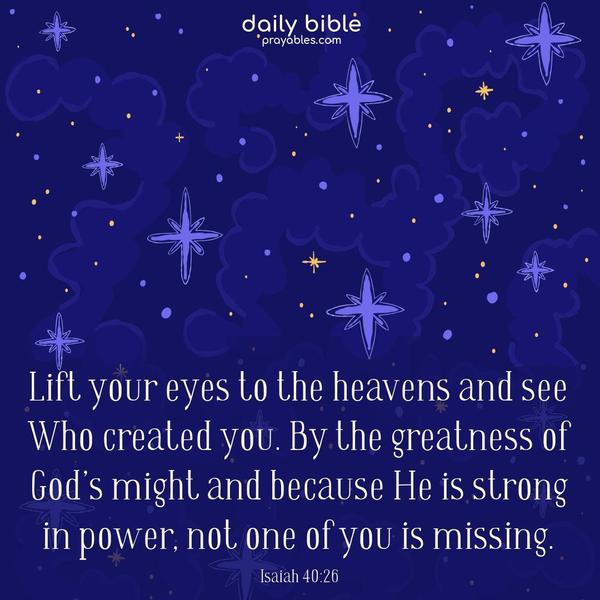
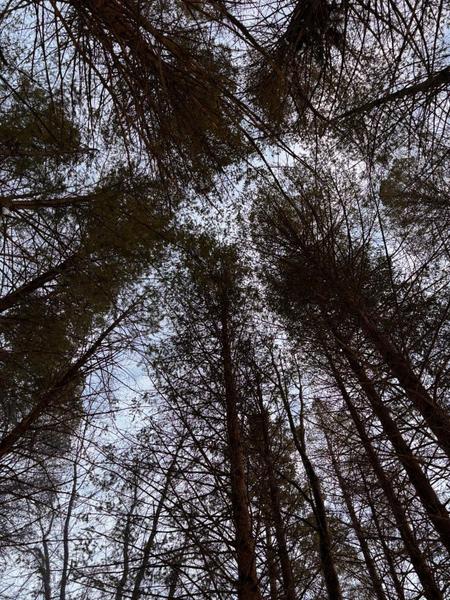
The photo you see here was taken by my son while he’s away on retreat.
He’s looking up.
That detail stopped me.
Looking up changes everything. It’s humbling. Quieting.
When we stare only at what’s in front of us, the view is crowded—busy, loud, confusing, often sorrowful. The constant message is to fix it, solve it, conquer it, outrun it. But the answer has never been found in frantic forward motion alone.
Our favorite vistas are upward. Mountains, skies, canopies of trees.
Looking up reminds us we are not the center of the universe—a role we were never qualified to hold anyway. And there’s relief in that. The modern insistence on self-made meaning, personal supremacy, and relentless self-optimization is exhausting. Hollow. Hope-less, if we’re honest.
I’d rather hold a larger
perspective than my own. One that is higher, older, omniscient, ever-present—and closer than we think.
There is a quiet invitation woven through both nature and Scripture: abide. Remain. Stay connected to the source of life rather than striving to generate it yourself. The New Covenant whispers this truth
again and again—not that we must prove ourselves worthy of life, but that life itself is offered, shared, lived through us. “It is no longer I who live…” is not a loss of self, but a release from the burden of self-salvation.
Faith, at its truest, doesn’t demand we climb higher—it invites us to look up and
rest into something steadier than our own effort.
Something rooted in love, not performance. Something alive enough to carry us through winter and faithful enough to awaken us when spring comes.
For now, we’re still hibernating.
And trusting that when the season turns, we’ll know—not because we forced it, but because we abided.
Abide in me, and I in you. As the branch cannot bear fruit by itself, unless it abides in the vine, neither can you, unless you abide in me… apart from me you can do nothing.
John 15:4–5